-
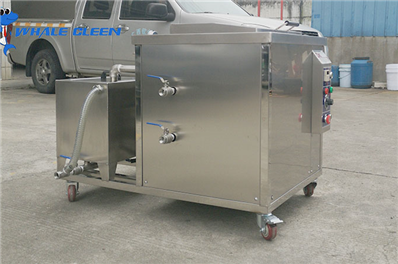 Cleaning Metal Lighters: Enhancing Ignition and Safety Performance with Ultrasonic Cleaning Machines
Metal lighters are popular devices used for igniting flames, but over time, they can accumulate fuel residue and dirt on both the surface and inside the mechanism. These contaminants can hinder proper ignition and compromise the safety performance of the
-
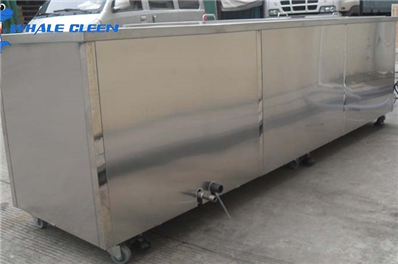 How do ultrasonic cleaners clean all kinds of workpieces for removing oil and wax? Why did you choose it?
How does the ultrasonic cleaning machine clean hardware except for oil and wax? This still has to start with the cavitation principle of ultrasonic cleaning, the ultrasonic cleaning machine produces thousands of bubbles in the ultrasonic cleaning work, in
-
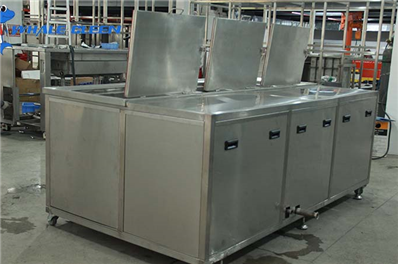 Oil removal effect and operation process of ultrasonic cleaning machine
Ultrasonic cleaning machine is a kind of cleaning craft, widely used in the hardware industry, cleaning effect is very clean. Generally used to remove oil, rust, Rust. For example, a large hardware parts manufacturer produces 3,000 hardware parts a day. M
-
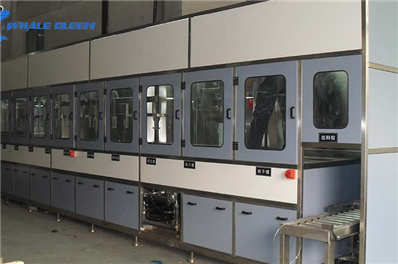 Classification of the ultrasonic cleansing slot. The oil removal effect of ultrasonic cleaning machine.
The cleaning trough in the ultrasonic cleaning machine is one of the important parts of the ultrasonic cleaning machine. On the one hand, the tank is a container for cleaning fluid, on the other hand, it is an indispensable medium for the Ultrasonic trans
-
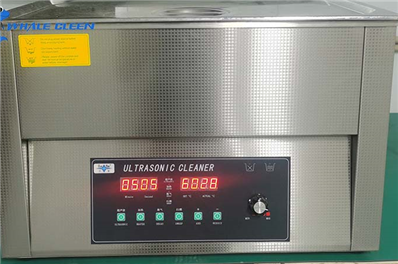 Advantages and application scenarios of small ultrasonic cleaning machine
As the saying goes, small has small benefits, big has big advantages, then, the advantages of a small ultrasonic cleaning machine and the main application of what is it? Small ultrasonic cleaning machine main application scene because of small ultrasonic
-
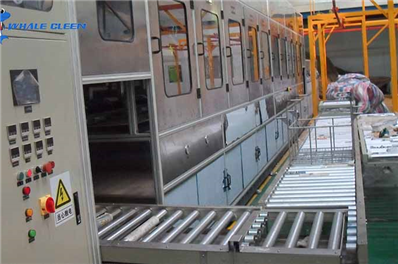 Can an ultrasonic cleaning machine remove oil dirt? What is the effect?
Can an ultrasonic cleaning machine remove oil stains? The answer is naturally can, want to know the main function of ultrasonic cleaning machine is to remove oil and dirt. The principle of ultrasonic oil removal: industrial ultrasonic cleaning mach
-
 Sensor Metal Housing Cleaning: Ultrasonic vs. Spray—Where the Difference Actually Lives
A sensor housing comes off the machining line with cutting oil, metal fines, and oxidized particles packed into thread roots, blind-hole bottoms, and mating seams. It goes through a spray washer, comes out looking clean, and passes a visual check. Weeks l
-
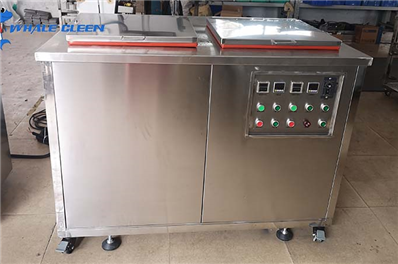 Ultrasonic Cleaning Machine for Batch Sensor Housings: How Whale cleen Prevents Scratches
Batch cleaning sensor housings is one of the most demanding tasks in precision manufacturing. These components often feature machined surfaces, threaded ports, blind holes, and tight tolerances. Contaminants such as cutting oil, metal fines, polishing res
-
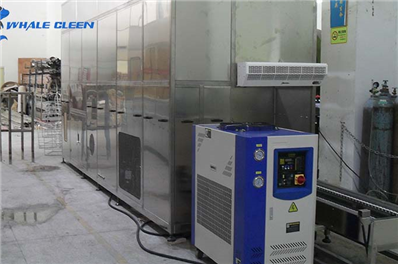 How to Remove Grinding Dust from Blind Holes and Gaps: Industrial Ultrasonic Cleaning Practical Guide
Grinding, deburring, and polishing operations leave fine dust that is easy to see on open surfaces and almost impossible to remove from blind holes and narrow gaps. Compressed air blows some dust out but pushes the rest deeper. Brushes cannot reach the bo
-
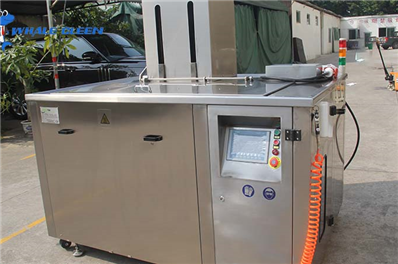 How Ultrasonic Cleaning Reaches the Thread Roots of Micro-Fasteners for Deep Chip and Oil Removal
In precision manufacturing, few challenges are as persistent—or as costly—as cleaning micro-fasteners. Screws, bolts, and threaded inserts with diameters under M2 feature intricate geometries: narrow thread valleys, blind holes, and sharp internal corners
-
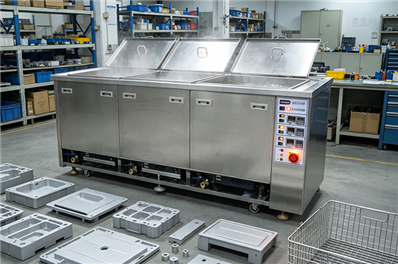 Ultrasonic Electrolytic Cleaning for Molds: Eliminate Gas Coke and Toner Residue That Causes Yellowing and Flow Marks
The Persistent Mold Contamination Problem In injection molding, the mold is the heart of production. But over time, even the best-maintained molds accumulate stubborn contaminants that no amount of wiping or solvent dipping can fully remove. Two of the
-
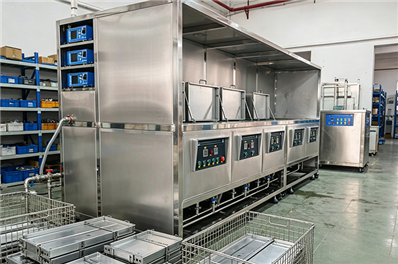 Ultrasonic Cleaning Machine: The Only Way to Eliminate Cutting Oil Sludge from Deep Grooves and Restore Plating Adhesion
For metal finishing shops and precision component manufacturers, few quality failures are as financially devastating as plating rejection caused by inadequate pre-cleaning.The scenario is painfully familiar. A batch of precision-machined components—hydrau